Introduction
Ophiology, derived from the Greek words “ophis” (snake) and “logos” (study), is the scientific discipline dedicated to the study of snakes. Snakes belong to the order Squamata, suborder Serpentes, and are found on every continent except Antarctica. They exhibit diverse adaptations, behaviors, and ecological roles, making them subjects of fascination and research across various fields of biology. This article explores the history of ophiology, snake biology, diversity, ecology, conservation, and the cultural significance of snakes worldwide.
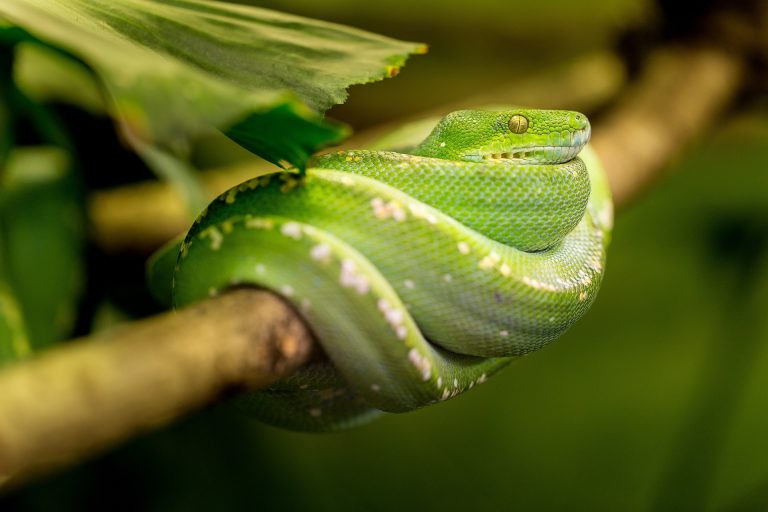
Historical Development of Ophiology
The study of snakes dates back to ancient civilizations, where snakes held symbolic, religious, and medicinal significance:
- Ancient Cultures: Snakes appear prominently in mythology, folklore, and art of ancient Egypt, Greece, India, and Mesoamerica, symbolizing fertility, transformation, and healing.
- Scientific Exploration: Formal scientific study of snakes began in the 18th century, with naturalists like Carl Linnaeus and Georges Cuvier contributing to taxonomy and classification.
- Modern Advances: Advances in field research, genetics, and imaging technologies have expanded our understanding of snake biology, behavior, and evolutionary history.
Snake Biology and Morphology
Snakes exhibit unique anatomical adaptations suited to their diverse lifestyles:
- Body Structure: Snakes lack limbs and have elongated bodies covered in scales, which aid in movement and protection.
- Venomous and Non-venomous Species: Venomous snakes possess specialized fangs and venom glands for prey immobilization and defense, while non-venomous snakes rely on constriction or other methods to subdue prey.
- Sensory Systems: Snakes have highly developed senses of smell (using the Jacobson’s organ), heat detection (via pit organs), and vibration detection (through ground vibrations).

Diversity of Snakes
Snakes exhibit remarkable diversity in size, habitat, diet, and reproductive strategies:
- Size Range: From tiny threadsnakes (less than 10 cm) to massive pythons and anacondas (over 6 meters), snakes vary greatly in size.
- Habitats: Snakes inhabit diverse environments, including forests, grasslands, deserts, wetlands, and aquatic ecosystems.
- Feeding Ecology: Snakes are carnivorous, with diets ranging from insects and small mammals to birds, fish, and other reptiles. Venomous snakes use venom to immobilize prey, while constrictors suffocate their prey.
- Reproductive Strategies: Snakes exhibit various reproductive modes, including oviparity (egg-laying), viviparity (live birth), and ovoviviparity (eggs hatch internally before birth).
Ecological Roles of Snakes
Snakes play critical roles in ecosystem dynamics and food webs:
- Predators: Snakes regulate prey populations, particularly rodents and other small mammals, thereby influencing ecosystem balance.
- Prey: Snakes themselves serve as prey for birds of prey, mammals, and other predators.
- Biodiversity: Snakes contribute to biodiversity by occupying specialized ecological niches and participating in nutrient cycling.

Venom and Snakebite
Venomous snakes produce toxins for prey capture and defense, posing risks to human health:
- Venom Composition: Snake venom is a complex mixture of proteins, enzymes, and peptides that vary among species, affecting the nervous system, blood clotting, and tissues.
- Medical Importance: Snakebites are a significant public health concern in many regions, with thousands of fatalities and disabilities annually. Antivenoms are crucial for treating envenomation and saving lives.
Conservation Challenges
Snakes face numerous threats, including habitat loss, climate change, illegal wildlife trade, and persecution:
- Habitat Destruction: Deforestation, urbanization, and agricultural expansion threaten snake habitats worldwide.
- Illegal Trade: Snakes are often illegally harvested for their skins, meat, and medicinal use, contributing to population declines.
- Persecution: Misconceptions and fear of snakes lead to deliberate killings, posing conservation challenges for threatened species.

Conservation Efforts
Conservation initiatives aim to protect snake species and their habitats:
- Habitat Preservation: Establishing protected areas, wildlife reserves, and habitat corridors to safeguard snake populations.
- Education and Outreach: Public awareness campaigns promote snake conservation, dispel myths, and encourage coexistence.
- Research and Monitoring: Studying snake populations, behavior, and ecological interactions to inform conservation strategies.
Cultural Significance of Snakes
Snakes hold cultural significance and symbolism in many societies worldwide:
- Mythology and Religion: Snakes feature prominently in creation myths, religious symbolism (e.g., Kundalini in Hinduism), and folklore (e.g., Chinese Year of the Snake).
- Medicine and Folk Remedies: Snake venoms and parts are used in traditional medicine for treating ailments, although regulated use is critical to prevent overexploitation.

Future Directions in Ophiology
Future research in ophiology is poised to address key knowledge gaps and conservation challenges:
- Genomics and Evolution: Advancing genetic techniques to study snake evolution, phylogenetics, and adaptation to environmental changes.
- Climate Change Impact: Investigating how climate change affects snake distributions, behaviors, and ecological interactions.
- Community Engagement: Enhancing public engagement in snake conservation through citizen science, ecotourism, and educational programs.
Conclusion
In conclusion, ophiology offers a profound exploration of snakes—from their evolutionary history and diverse adaptations to their ecological roles, cultural significance, and conservation challenges. As stewards of biodiversity, understanding and conserving snakes are essential for maintaining healthy ecosystems and promoting global biodiversity.
By fostering scientific research, conservation efforts, and cultural appreciation, ophiology contributes to our understanding of snakes’ ecological importance and their intricate relationships within natural environments. As we continue to study and protect snakes, we uphold their intrinsic value and ensure their survival for future generations to appreciate and benefit from the beauty and diversity of these remarkable reptiles.
This article provides a comprehensive overview of ophiology, encompassing its historical roots, biological diversity, ecological roles, conservation challenges, and cultural significance. It aims to highlight the importance of snake study and conservation efforts in maintaining global biodiversity and ecological balance.
About the Author