Kale: From Farm to Table – Cultivation Techniques, Nutritional Benefits, and Culinary Innovations
Introduction
Kale (Brassica oleracea var. acephala) has risen to prominence as a nutritional powerhouse and culinary staple in recent years, garnering attention for its robust flavor, versatility, and numerous health benefits. As a member of the Brassica family, kale shares botanical ties with cabbage, broccoli, and Brussels sprouts, but stands out for its distinctive curly or flat leaves and rich nutrient profile. This article explores the origins, cultivation methods, nutritional value, health benefits, culinary uses, and commercial significance of kale, providing a comprehensive exploration of this celebrated leafy green.
Origins and Historical Significance
Kale’s history can be traced back over two millennia to ancient Rome and Greece, where it was cultivated for its hardiness and nutritional benefits. The ancient Greeks and Romans valued kale for its resilience in various climates and its ability to thrive in poor soils. Over time, kale spread throughout Europe and eventually to North America, where it became a staple crop among early settlers. Today, kale enjoys global popularity as a versatile and nutrient-dense vegetable.
Botanical Characteristics
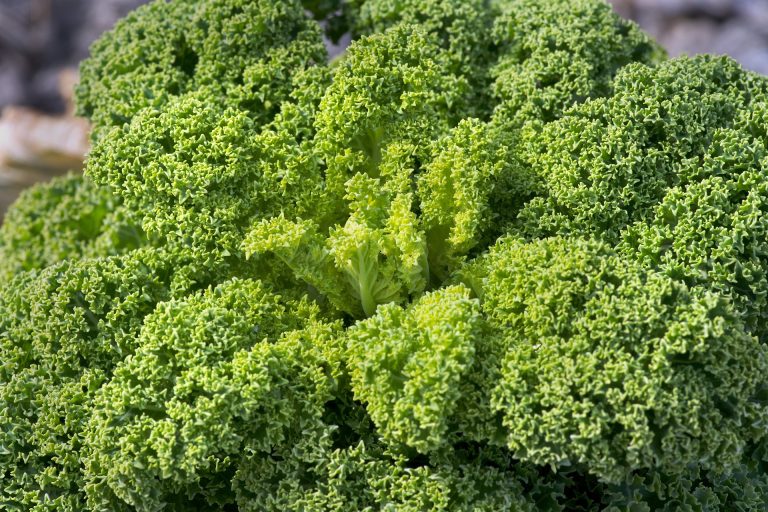
Botanically, kale belongs to the Brassica oleracea species, which encompasses a diverse group of vegetables known collectively as cole crops or cruciferous vegetables. Kale is classified as a variety of Brassica oleracea called acephala, meaning “without a head,” distinguishing it from cabbage varieties that form compact heads. Kale plants are characterized by their robust, erect stems and deeply lobed or frilly leaves. Varieties range from curly kale (such as Scots kale) to flat-leafed kale (such as Lacinato or dinosaur kale).

Cultivation Practices
Kale thrives in cool, temperate climates and is cultivated as an annual crop in many regions. It prefers well-drained, fertile soil rich in organic matter and benefits from full sun to partial shade. Kale seeds can be sown directly in the garden or started indoors and transplanted once seedlings are established. Regular watering, adequate spacing, and mulching are essential for optimal growth. Kale plants are relatively hardy and can withstand light frosts, which can actually enhance flavor by converting starches into sugars.
Nutritional Value
From a nutritional standpoint, kale is renowned for its exceptional nutrient density. It is low in calories but packed with vitamins, minerals, fiber, and antioxidants. Kale is particularly rich in vitamin K, vitamin C, vitamin A (in the form of beta-carotene), and several B vitamins. It also provides significant amounts of minerals such as manganese, calcium, potassium, and magnesium. Kale’s high antioxidant content, including flavonoids and carotenoids, contributes to its potential health-promoting properties.

Health Benefits
Consuming kale regularly offers a multitude of health benefits due to its impressive nutrient profile. The high vitamin K content supports bone health and blood clotting functions, while vitamin C boosts immune function and collagen production. Kale’s beta-carotene and other antioxidants help combat oxidative stress and inflammation, potentially reducing the risk of chronic diseases such as heart disease and certain cancers. The fiber content supports digestive health, promoting regularity and aiding in weight management.
Culinary Uses
Kale’s versatility in culinary applications has contributed to its popularity in modern cuisine. It can be enjoyed raw in salads, where its hearty leaves add texture and nutrition. Cooking methods such as steaming, sautéing, or baking kale soften its texture while preserving its nutritional integrity. Kale is also commonly used in soups, stews, stir-fries, and pasta dishes, where it adds depth of flavor and nutritional value. Its robust flavor pairs well with ingredients like garlic, lemon, olive oil, and nuts.

Commercial Significance
Kale’s commercial significance has expanded significantly in recent decades, driven by consumer demand for nutritious and sustainable food options. It is grown commercially in many countries, including the United States, Canada, Europe, and Australia, to meet both fresh market and processed food needs. The popularity of kale in the health food sector has led to innovative products such as kale chips, kale powders, and kale-based beverages. Advances in cultivation techniques and breeding programs continue to enhance kale’s yield, quality, and resistance to pests and diseases.
Challenges and Considerations
Despite its nutritional benefits and popularity, kale cultivation is not without challenges. Pests and diseases, such as aphids, cabbage worms, and downy mildew, can impact kale crops and require careful management through integrated pest management (IPM) strategies. Soil fertility management and water usage are also critical considerations to maintain optimal growth and minimize environmental impact. Sustainable farming practices, including crop rotation and cover cropping, are essential for maintaining soil health and reducing reliance on synthetic inputs.

Future Prospects
Looking ahead, the future of kale appears promising as consumer interest in healthful and sustainable food choices continues to grow. Ongoing research into kale’s genetic diversity, nutritional composition, and cultivation practices aims to further improve its yield, flavor, and resilience to environmental stressors. Kale’s adaptability to diverse growing conditions and its ability to thrive in sustainable farming systems position it as a valuable crop for global food security and nutrition.
Conclusion
In conclusion, kale stands as a testament to the nutritional richness and culinary versatility of leafy greens. From its ancient origins to its modern-day popularity, kale has evolved into a celebrated vegetable prized for its health benefits and culinary uses. As research and innovation in agriculture continue to advance, kale remains a symbol of resilience, sustainability, and nutritional excellence in the world of vegetables. Its enduring appeal and adaptability ensure that kale will continue to be cherished by consumers and growers alike for years to come.
About the Author