Peas: An In-Depth Exploration from Ancient Origins to Modern Uses
Introduction
Peas, scientifically known as Pisum sativum, are a versatile and nutritious legume that has been cultivated for thousands of years. From their origins in the Near East to their widespread consumption and culinary versatility today, peas have played a significant role in human diets, agriculture, and even genetic research. This article delves into the extensive history, cultural significance, nutritional benefits, agricultural practices, economic impact, and modern applications of peas, highlighting their evolution from a wild plant to a staple crop.
Historical Origins and Early Cultivation
The history of peas dates back to ancient times, with evidence of their cultivation found in archaeological sites in what is now Turkey, Syria, and Jordan dating back to around 8000 BCE. Wild peas were initially gathered for their edible seeds, which provided an important source of protein and nutrients for early hunter-gatherer societies. The domestication of peas occurred gradually, leading to the development of cultivated varieties that were larger-seeded and easier to harvest.
Spread of Peas Across Continents
Peas spread from their origins in the Near East to various parts of Asia, Europe, and eventually to the Americas through trade and exploration. The ancient Greeks and Romans cultivated peas and valued them for their culinary versatility and nutritional benefits. During the Middle Ages, peas became a dietary staple in Europe, particularly among peasants, due to their ability to grow in diverse climates and their high protein content relative to other vegetables.
Botanical Characteristics and Varieties
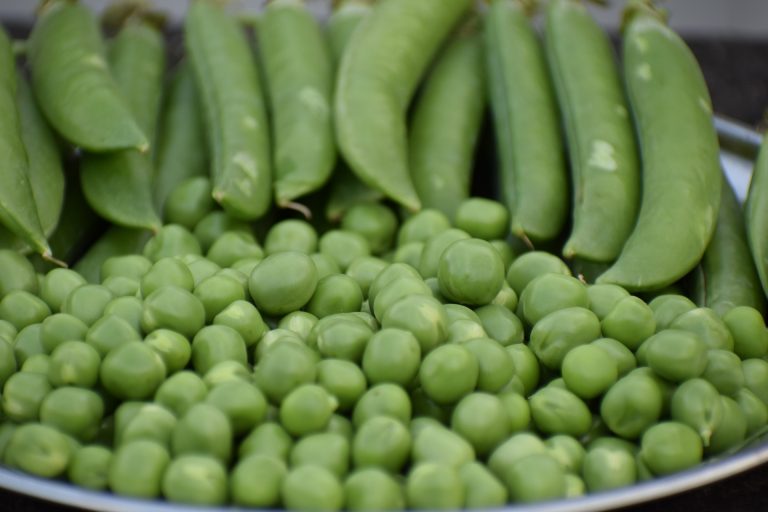
Peas belong to the Fabaceae family and are classified as a leguminous plant. They are characterized by their vining or bushy growth habit and produce pods containing edible seeds. Pea varieties are broadly categorized into two main types: garden peas (Pisum sativum var. sativum), which are harvested when the seeds are immature and used as vegetables, and field peas (Pisum sativum var. arvense), which are grown primarily for dried seeds used in soups, stews, and animal feed.

Nutritional Composition and Health Benefits
Peas are valued for their nutritional richness and health-promoting properties. They are an excellent source of plant-based protein, dietary fiber, vitamins (including vitamin A, vitamin C, and several B vitamins), minerals (such as iron, potassium, and magnesium), and antioxidants (such as flavonoids and carotenoids). The high fiber content of peas supports digestive health and helps regulate blood sugar levels, while their low glycemic index makes them a suitable food choice for individuals managing diabetes and weight control.
Cultural Significance and Culinary Uses
Peas hold cultural significance in many societies worldwide, where they are celebrated in traditional cuisines and culinary practices. In Western cuisines, peas are commonly used in soups, salads, and side dishes, and as a primary ingredient in dishes such as pea soup and pea risotto. In Asian cuisines, particularly in India and China, peas are integral to vegetarian dishes, curries, and stir-fries. Peas are also processed into canned, frozen, or dried forms for convenience and long-term storage, making them accessible year-round.

Commercial Cultivation and Agricultural Practices
The commercial cultivation of peas requires specific soil, climate, and management practices to optimize yield and quality. Peas thrive in cool to moderate climates with well-drained soil and adequate moisture. Crop rotation, fertilization, and pest management strategies are employed to maintain healthy pea crops and minimize environmental impact. Pea varieties are selected based on market demand, culinary uses, and regional growing conditions, with major pea-producing countries including Canada, Russia, China, and the United States.
Economic Impact and Global Trade
Peas play a significant role in global agriculture and economies, contributing to food security, rural livelihoods, and international trade. The global pea market encompasses fresh, processed, and dried pea products, which are exported and consumed in domestic and international markets. Pea production and trade are influenced by factors such as agricultural policies, market demand, and consumer preferences for plant-based protein sources. Peas also support sustainable agricultural practices, including crop diversification and soil fertility management, contributing to environmental sustainability in farming systems.

Environmental Sustainability and Challenges
The cultivation of peas presents environmental benefits and challenges related to land use, water management, and agrochemical use. Peas are nitrogen-fixing legumes that enhance soil fertility by converting atmospheric nitrogen into a usable form through symbiotic relationships with soil bacteria. This reduces the need for synthetic nitrogen fertilizers and promotes sustainable crop rotations that improve soil health and biodiversity. However, intensive farming practices and climate change can pose challenges to pea production, requiring adaptive strategies and innovations in agricultural technology to mitigate environmental impacts.
Technological Innovations and Future Trends
Advances in agricultural research and technology offer promising opportunities to enhance pea production efficiency, resilience, and nutritional quality. Biotechnological approaches, including genetic improvement and marker-assisted breeding, aim to develop pea varieties with enhanced yield potential, disease resistance, and nutritional traits. Furthermore, innovations in precision agriculture, digital farming technologies, and sustainable farming practices enable farmers to optimize resource use, reduce environmental footprint, and meet evolving consumer demands for sustainably produced peas and pea-based products.
Conclusion
In conclusion, peas have evolved from their ancient origins to become a versatile and nutritious crop with global significance in agriculture, nutrition, and culinary arts. With their rich history, cultural importance, and health benefits, peas continue to play a vital role in feeding populations worldwide and supporting sustainable agricultural practices. As we navigate challenges related to food security, environmental sustainability, and technological advancements, peas remain a symbol of resilience, innovation, and agricultural diversity in the modern world.
About the Author